Commercial Asphalt Repair vs. Full Replacement: What to Know
People searching for commercial asphalt repair are typically looking to fix damage or deterioration efficiently, and local contractors can provide expert repairs or full replacements as needed.
If you're a property owner exploring options for maintaining or improving your commercial asphalt surfaces, understanding the differences between asphalt repair and full replacement is essential. This topic is particularly relevant for those managing parking lots, driveways, or other paved areas that endure heavy use and weather-related wear. Making informed decisions can help ensure your property remains safe, functional, and visually appealing without unnecessary expenses. This page is designed to guide you through the key considerations, highlighting how local contractors specializing in commercial asphalt repair can provide practical solutions tailored to your needs.
Many property owners in the area find themselves weighing whether to pursue repairs or opt for a complete overhaul of their asphalt surfaces. Practical reasons-such as extending the lifespan of existing pavement, minimizing disruption, and controlling costs-often lead to choosing repair options when appropriate. Local service providers can evaluate the condition of your asphalt and recommend the most effective approach, whether that involves targeted repairs or full replacement. Keep reading to learn more about the factors that influence this decision and how experienced contractors can help you make the best choice for your property.
- When cracks or minor surface damage appear, local contractors often recommend commercial asphalt repair to restore the pavement’s integrity efficiently. - For areas with surface deterioration but stable sublayers, local service providers typically suggest asphalt repair rather than full replacement to save time and costs. - When potholes or surface deformities develop, local pros may advise targeted repairs to address specific issues without the need for complete removal and replacement. - If existing asphalt shows signs of surface wear but the base remains sound, local contractors often opt for repair solutions to extend the lifespan of the pavement. - In cases where only the top layer is compromised, local service providers can perform patching and sealing to improve appearance and durability without full replacement.
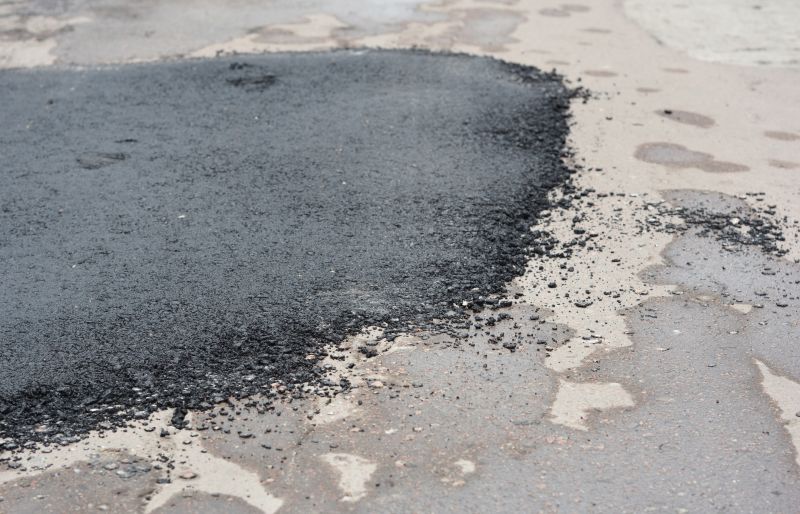
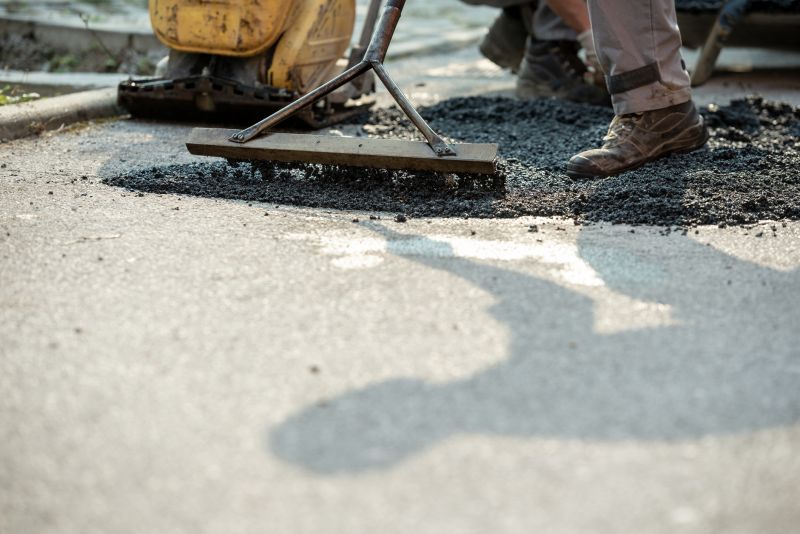
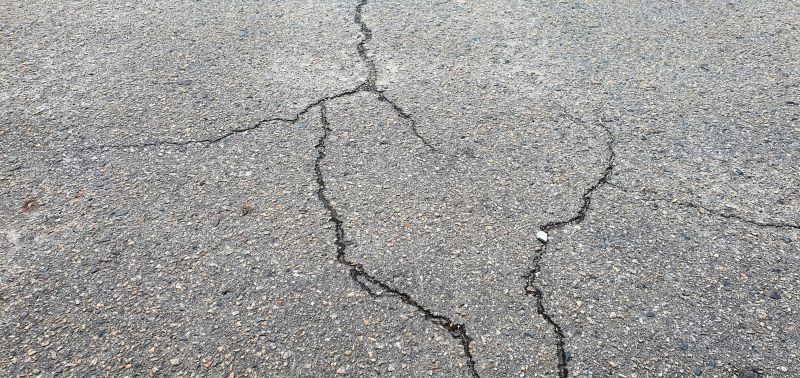
When people search for information on commercial asphalt repair vs. full replacement: what to know, they often want to understand the key differences between these two approaches to maintaining or improving asphalt surfaces. Typically, this topic comes up for property owners who are dealing with existing asphalt that shows signs of wear, such as cracks, potholes, or surface deterioration. They may be planning upgrades for parking lots, driveways, or access roads on commercial properties like retail centers, office complexes, or industrial sites. The goal is to determine whether a repair can extend the life of the pavement or if a complete replacement is necessary to ensure safety, functionality, and a professional appearance.
This comparison relates closely to the types of problems that develop over time on asphalt surfaces. Cracks, surface raveling, and minor potholes are common issues that often lead property owners to consider repair options. When these problems are isolated or relatively shallow, commercial asphalt repair services can often address them efficiently, restoring the surface without the need for total removal. Conversely, if the asphalt has extensive damage, deep structural issues, or widespread failure, full replacement might be the more appropriate solution. Planning for these projects involves understanding the condition of the existing pavement, the expected lifespan, and the intended use of the property, which helps determine the best course of action.
The types of properties that typically come up in discussions about commercial asphalt repair vs. full replacement include parking lots for retail stores, office parks, or apartment complexes, as well as industrial facilities with large access roads. These properties often experience high traffic volumes, which can accelerate surface deterioration. Additionally, properties with aging asphalt that has experienced years of exposure to weather, heavy loads, or poor drainage are common candidates for professional assessment. Local contractors specializing in commercial asphalt services can evaluate the condition of the pavement, recommend suitable repair strategies, and advise when a full replacement might be necessary to meet safety standards and property expectations.
Understanding the differences between commercial asphalt repair and full replacement helps property owners make informed decisions about maintaining their surfaces. Repair services are generally suitable for addressing localized damage, saving time and money while extending the asphalt’s lifespan. Full replacement, on the other hand, involves removing the old pavement and installing new asphalt, which can resolve more severe issues and provide a fresh, durable surface. Connecting with experienced local service providers ensures that property owners receive tailored advice based on the specific condition of their asphalt, helping them choose the most effective solution for their project needs.
Parking Lot Resurfacing - This project involves surface preparation and asphalt application skills similar to those used in commercial asphalt repair and full replacement decisions.
Pothole Repair - Addressing potholes requires expertise in patching techniques and material selection, which are essential when evaluating repair versus replacement options.
Driveway Restoration - Restoring asphalt driveways involves planning and surface treatment skills comparable to commercial asphalt repair strategies.
Crack Sealing - Sealing cracks helps prevent further damage, requiring similar assessment and repair planning as in larger asphalt repair projects.
Sealcoating Services - Applying sealcoats protects asphalt surfaces, involving surface prep and application methods related to repair and replacement considerations.
Asphalt Overlay Projects - Overlay work enhances existing surfaces and shares planning and surface preparation techniques with commercial asphalt repair and replacement decisions.
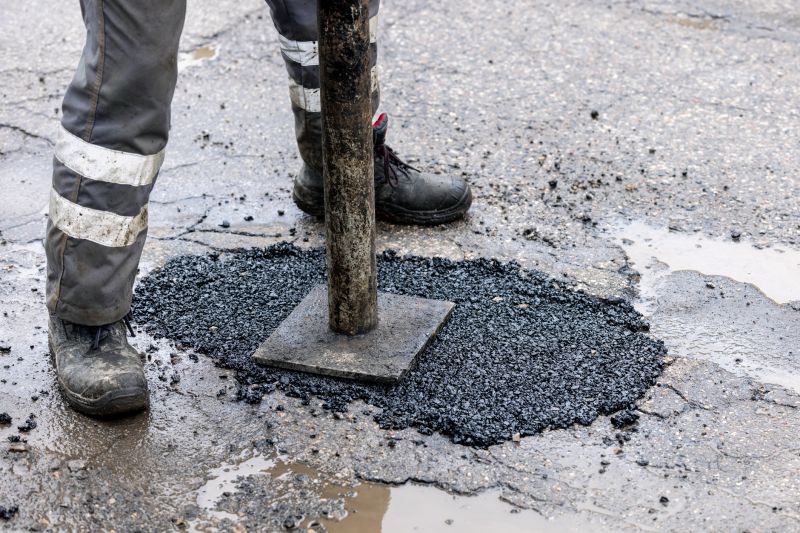
When evaluating commercial asphalt repair services, it is important to consider the experience of local contractors with projects similar to the one at hand. An experienced service provider will understand the nuances of asphalt repair versus full replacement, enabling them to recommend the most appropriate solution based on the condition of the pavement. Homeowners should inquire about previous work on comparable projects to gauge the contractor’s familiarity with the specific challenges and best practices involved in commercial asphalt repair, ensuring that the chosen professional can deliver results aligned with the project’s needs.
Clear, written expectations are essential when comparing local service providers for asphalt repairs. A reputable contractor will provide a detailed scope of work, outlining the specific repair techniques, materials to be used, and the anticipated outcomes. This transparency helps homeowners understand what to expect and allows for better comparison between different proposals. Having well-defined expectations also minimizes misunderstandings and ensures that both parties are aligned on project goals, which is especially important when deciding between repair and full replacement options.
Reputable references and effective communication are key factors to consider when selecting local contractors for commercial asphalt repair. Service providers who can offer references from past clients demonstrate a history of successful projects, giving homeowners confidence in their capabilities. Additionally, good communication throughout the process ensures that questions are answered, concerns are addressed, and updates are provided in a timely manner. This level of engagement helps homeowners make informed decisions and feel confident that the chosen professional understands the scope of work, whether it involves targeted repairs or a complete pavement overhaul.
Property owners often search for commercial asphalt repair vs. full replacement: what to know when they are planning practical projects around their homes and businesses. Local pros provide Commercial Asphalt Repair services for everyday jobs and straightforward project options.
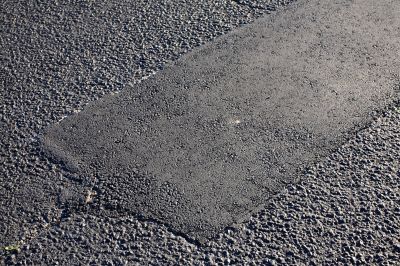
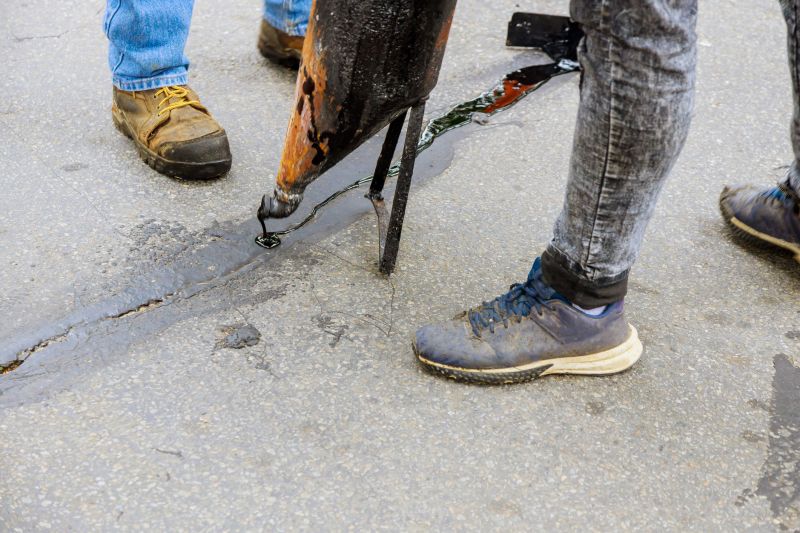
When property owners consider asphalt work for their commercial spaces, understanding the difference between commercial asphalt repair and full replacement is essential. For everyday projects, such as fixing potholes, cracks, or surface deterioration, commercial asphalt repair services offered by local contractors can often provide a cost-effective and quicker solution. These repairs help extend the lifespan of existing pavement and restore safety and functionality without the need for complete removal and replacement. Property managers and business owners searching for practical solutions might look into local pros who specialize in these repairs to keep their parking lots or driveways in good condition with minimal disruption.
On the other hand, full replacement becomes necessary when asphalt has suffered extensive damage, such as deep structural issues or widespread deterioration that repairs cannot adequately address. In such cases, local service providers can evaluate the condition of the pavement and recommend whether a full replacement is the best course of action. This approach involves removing the existing asphalt and installing a new surface, which can be a more suitable choice for long-term durability when repairs are no longer sufficient. For property owners weighing their options, consulting with local contractors can help determine whether commercial asphalt repair or full replacement aligns best with their project needs and budget.
What is commercial asphalt repair? Commercial asphalt repair involves fixing specific areas of damaged or deteriorated asphalt surfaces to restore their functionality and appearance, without replacing the entire surface.
When should a full asphalt replacement be considered instead of repair? Full replacement is typically considered when the asphalt has extensive damage, such as widespread cracking, severe potholes, or significant structural issues that repairs cannot adequately address.
Can commercial asphalt repair extend the lifespan of an existing pavement? Yes, proper repair can help prolong the life of asphalt surfaces by addressing issues early and preventing further deterioration, making it a practical alternative to full replacement when appropriate.
What are the benefits of choosing repair over full replacement? Repair usually involves less disruption, lower costs, and quicker completion compared to full replacement, making it suitable for addressing localized problems efficiently.
How do local contractors determine whether repair or full replacement is needed? They assess the extent of damage, the condition of the asphalt, and the specific needs of the property to recommend the most effective solution for long-term durability.
Assessing damage severity - property owners can evaluate whether minor cracks or surface wear might be suitable for asphalt repair services offered by local contractors.
Choosing repair or replacement - understanding when asphalt repair is a practical solution helps property owners decide if a full replacement is necessary for long-term durability.
Planning for ongoing maintenance - scheduling regular inspections with local service providers can help determine if repairs are enough to maintain asphalt condition over time.
Considering project scope - property owners can work with local pros to develop a plan that balances repair options with full replacement, based on the current state of the asphalt.
If you are thinking about commercial asphalt repair vs. full replacement: what to know for a property, this guide is meant to help you understand this topic, the typical project types, and how different options might fit your plans.
When you are ready, you can use the quote form on this page to share a few details about your project. From there, local pros can review the basics and follow up with options that match what you have in mind.